
The Evolving Transportation Industry: Trailers as the Backbone of Modern Haulage
Introduction
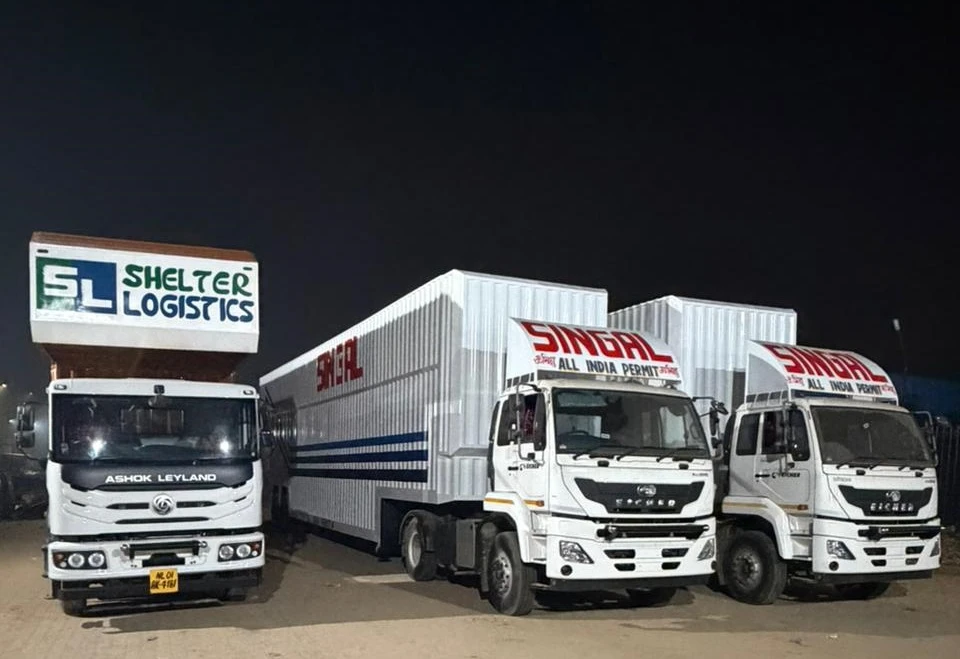
The global transportation and logistics sector is undergoing rapid transformation. With the rise of e-commerce, manufacturing expansion, and cross-border trade, the need for efficient freight movement has never been greater. At the center of this modern logistics ecosystem lies a crucial yet often overlooked component—the trailer. Trailers serve as the backbone of modern haulage, enabling businesses to transport heavy loads, bulk materials, and commercial goods efficiently across long distances.
Companies like Fabrico India are contributing to this evolving industry by designing and manufacturing durable, high-performance trailers and steel fabrication solutions that support diverse transportation needs. Through advanced engineering and precision manufacturing, modern trailer manufacturers are helping businesses move goods faster, safer, and more cost-effectively.
The Role of Trailers in Modern Logistics
Trailers play a fundamental role in ensuring the seamless movement of goods across supply chains. In modern logistics networks, trailers are used to transport large quantities of cargo in a single trip, improving operational efficiency and reducing transportation costs. (tridiftautama.co.id)
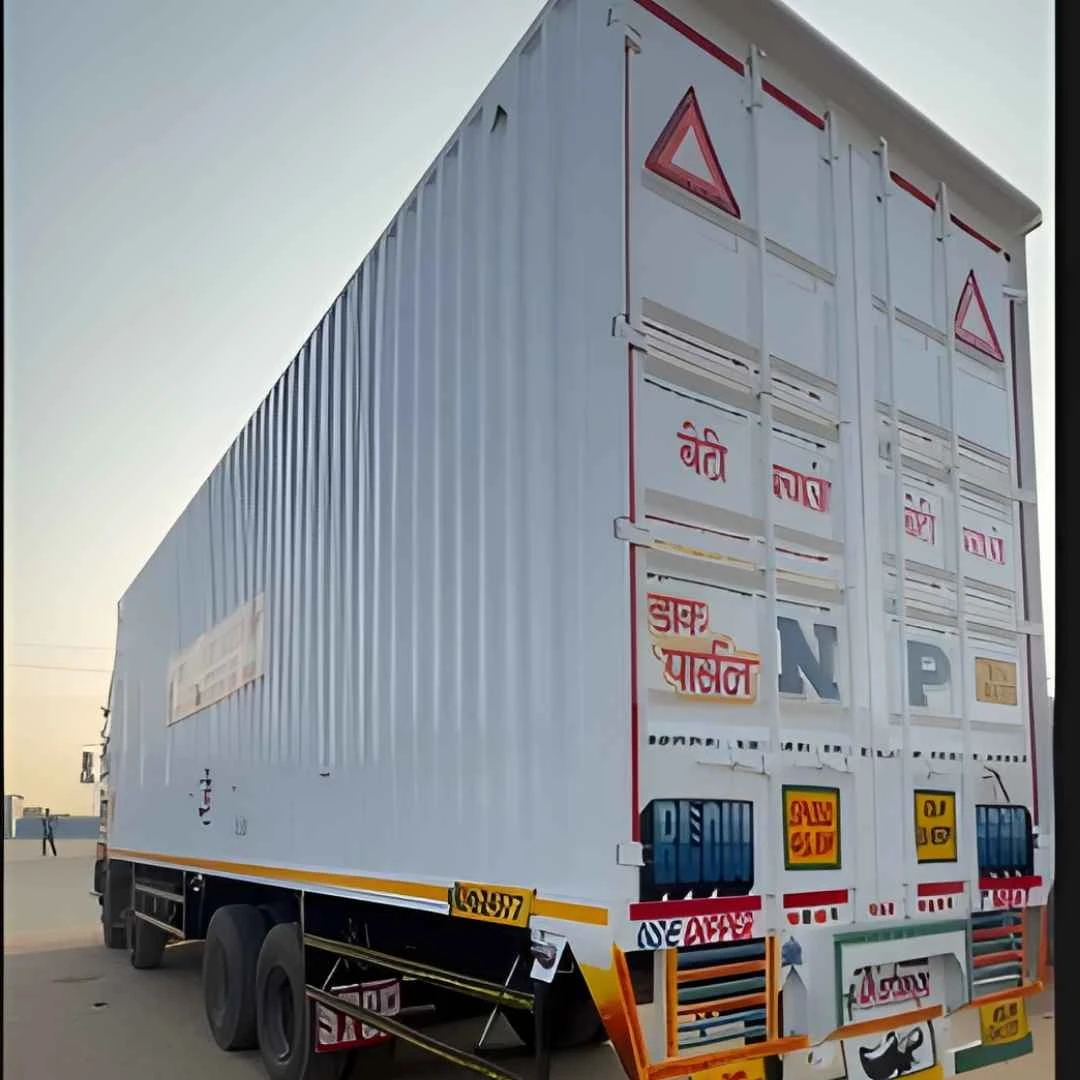
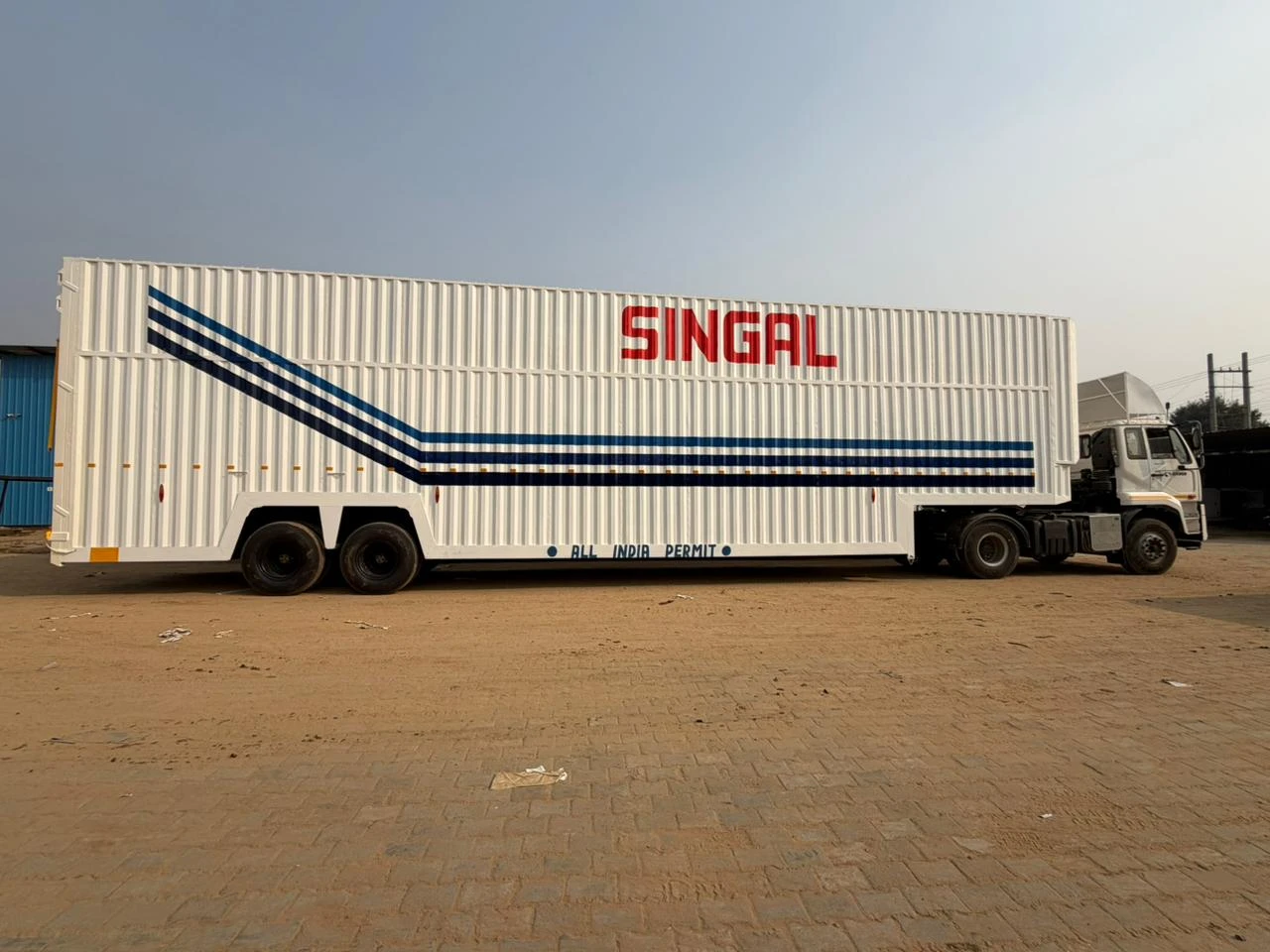
Unlike conventional transport vehicles, trailers offer higher payload capacities and flexible configurations, making them suitable for a wide range of industries including manufacturing, construction, agriculture, and retail. Their ability to carry bulk goods, heavy machinery, and containerized cargo has made them indispensable to modern freight systems.
Additionally, trailers allow companies to optimize route planning and logistics operations, which ultimately improves delivery timelines and reduces fuel consumption. (roadload.in)
Evolution of Trailer Technology
The transportation industry has evolved significantly over the past few decades, and trailer technology has advanced along with it. Early trailer systems were simple hauling units attached to trucks. Today, they incorporate sophisticated engineering, safety mechanisms, and efficiency-enhancing technologies.
Modern trailers now feature:
Advanced load distribution systems
High-tensile steel structures for durability
Improved suspension and braking systems
GPS tracking and telematics integration
These innovations help improve cargo security, increase fuel efficiency, and ensure better fleet management for logistics companies. Some designs even focus on aerodynamics to reduce drag and improve fuel economy during long-distance transportation. (Wikipedia)
Types of Trailers Used in Transportation
Different transportation requirements demand specialized trailer designs. Some of the most commonly used trailers include:
Flatbed Trailers
Flatbed trailers have an open platform with no sides or roof, making them ideal for transporting oversized cargo, construction materials, and heavy equipment.
Container Trailers
These trailers are designed to carry shipping containers and are widely used in intermodal transportation networks.
Refrigerated Trailers
Also known as “reefers,” these trailers maintain controlled temperatures and are commonly used for transporting food products and pharmaceuticals.
Tanker Trailers
Tanker trailers transport liquids such as fuel, chemicals, and industrial fluids.
Each type of trailer is engineered to address specific logistics challenges and ensure safe, efficient cargo transportation across industries. (Fr8App)
The Impact of Trailers on Supply Chains
Trailers significantly improve supply chain efficiency by enabling large-scale transportation and supporting intermodal logistics systems. They allow goods to be moved between trucks, railways, and ships without unloading cargo, which reduces handling time and potential damage. (tridiftautama.co.id)
Furthermore, trailers help businesses expand their market reach. Companies can transport products across cities, states, and even countries while maintaining consistent delivery schedules. This flexibility is particularly important for industries operating under just-in-time manufacturing or high-volume distribution models.
The Future of Trailer Manufacturing
As transportation demands continue to grow, the trailer manufacturing industry is embracing innovation and sustainability. Emerging trends shaping the future include:
Electric and hybrid trailer technologies
Smart fleet monitoring systems
Automation in loading and unloading processes
Lightweight yet stronger materials
Eco-friendly manufacturing practices
These developments are expected to enhance efficiency, reduce environmental impact, and further optimize freight logistics worldwide.
Manufacturers like Fabrico India are playing a key role in this transformation by developing modern trailer solutions that meet evolving industry standards and customer requirements.
Conclusion
Trailers remain the backbone of modern transportation and logistics. From heavy industrial shipments to everyday consumer goods, trailers enable businesses to move products safely and efficiently across vast distances. As technology continues to advance and global trade expands, the importance of innovative trailer manufacturing will only grow.
With a strong focus on quality engineering, reliability, and customization, Fabrico India contributes to strengthening the transportation ecosystem by delivering robust trailer solutions that support the future of modern haulage.